Preoperative symptoms:
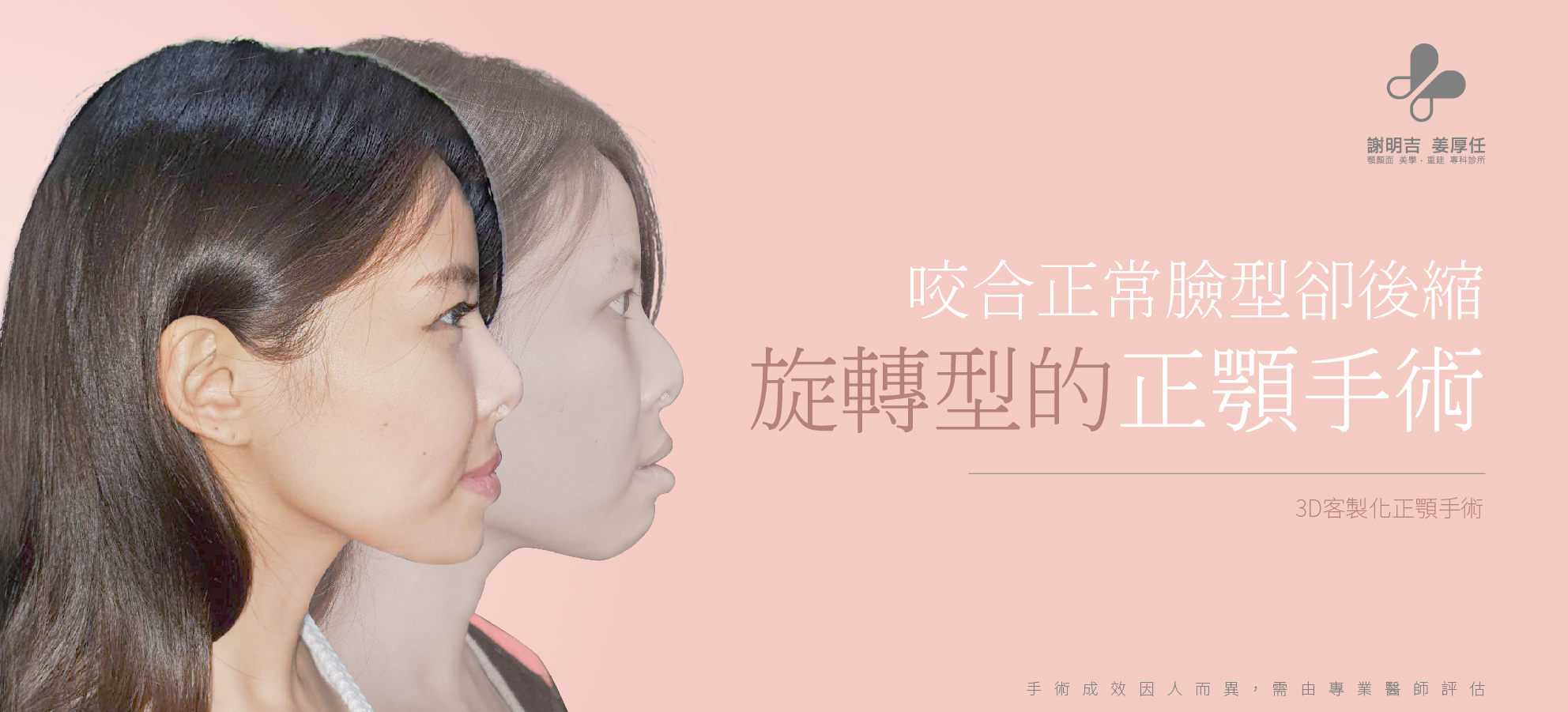
The lower jaw has a normal occlusion, the face is retracted, and the teeth are protruding.
Surgery plan:
3D customized orthognathic surgery
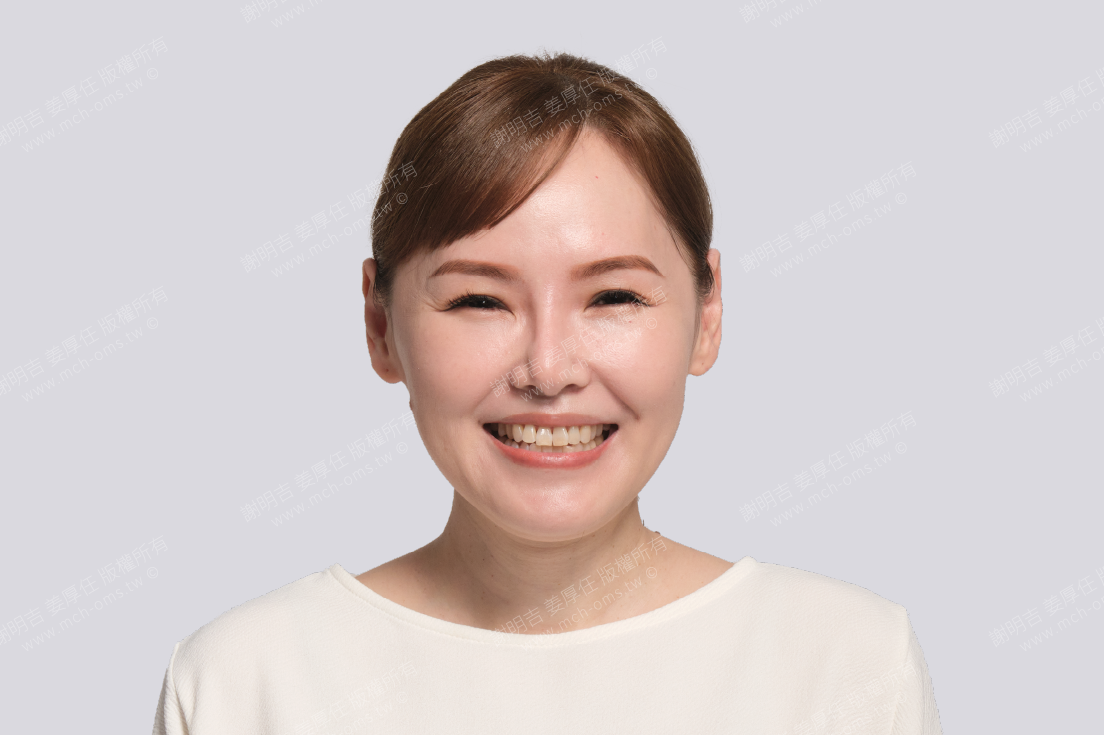
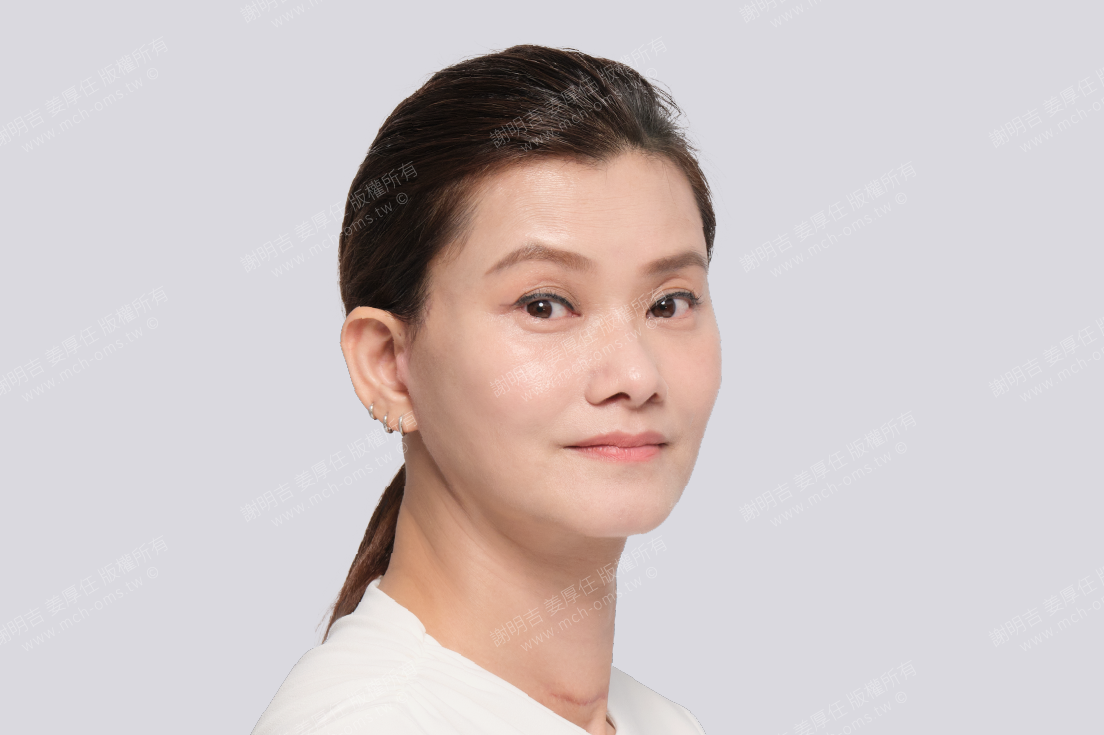
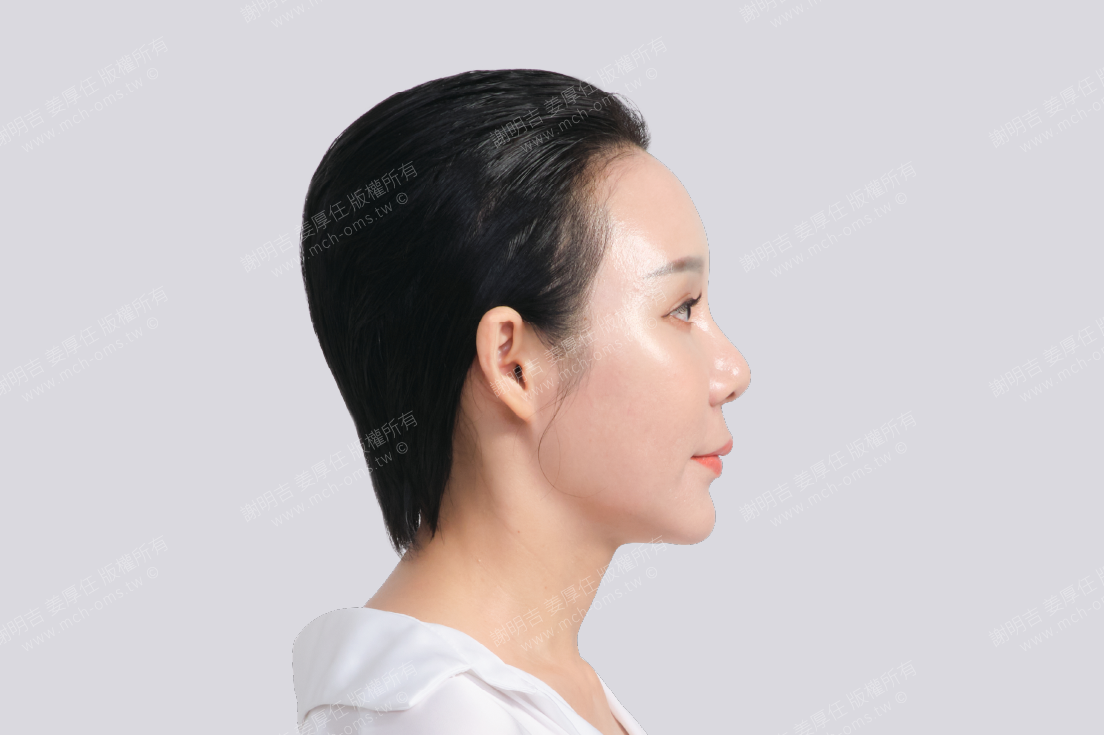
Dr. Adrian M. Hsieh diagnosed this patient’s face as having a Chinese-shaped face due to protrusion of both upper jaws, chin recession, and enlarged mandibular angle before surgery. We first use orthognathic surgery to adjust the position of the upper and lower jawbones. We can see that two orthognathic surgeries have improved the position of her upper and lower jawbones, and mean that her lips can be closed easily without the corners of her mouth appearing to be downward and her jaw muscles from getting tangled together. Dr. Adrian M. Hsieh specifically mentioned in the treatment plan that the maxillary bone should not be retracted excessively, so that the final result of the surgery can effectively maintain sufficient support for the midface and upper lip to appear plump and natural. The angle of the mandible is connected to the chin, and the bone is shaved in a long curve to modify the beautiful jaw line and make it more feminine.
Through 3D computed tomography (CT SCAN), the patient’s upper and lower jaw structures and preoperative occlusion conditions are known.3D customization technology makes the pre-planned surgical plan into a surgical guide. During the operation, the patient's upper and lower jaws and bite can be accurately adjusted to the appropriate position, greatly shortening the operation time and shortening the subsequent recovery period.
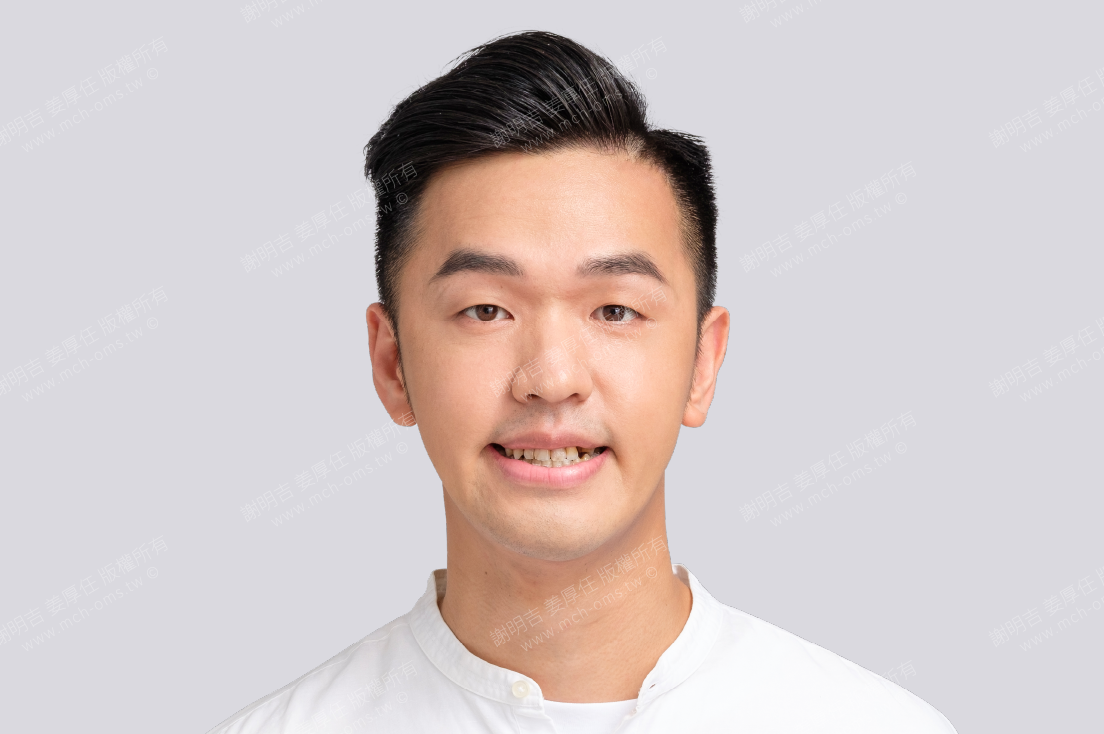
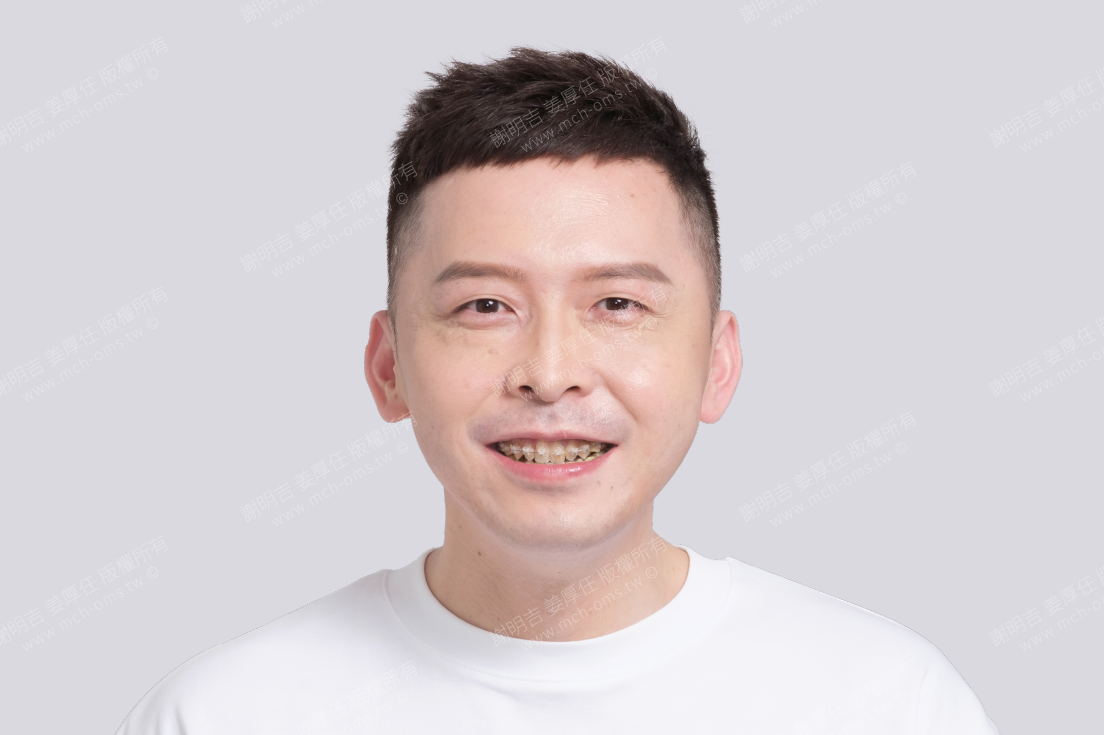
Comparison of photos before and after surgery
| Before | Aafter |
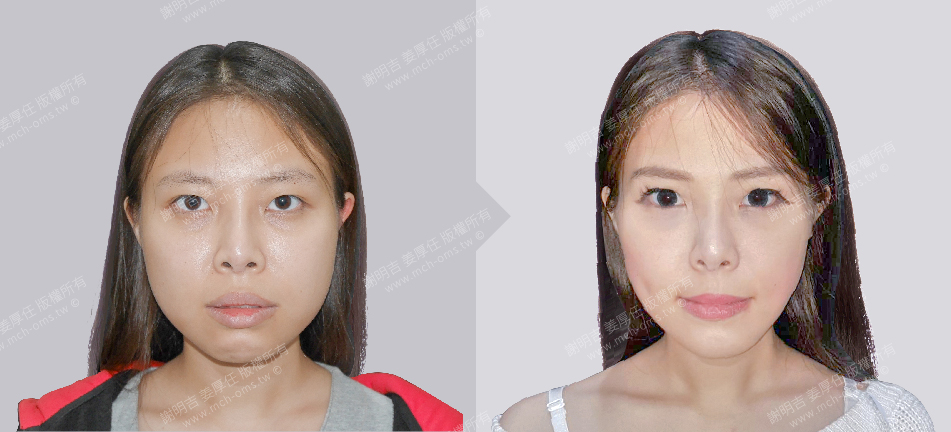
The effectiveness of surgery varies from person to person and needs to be evaluated by a professional physician
| Before | Aafter |
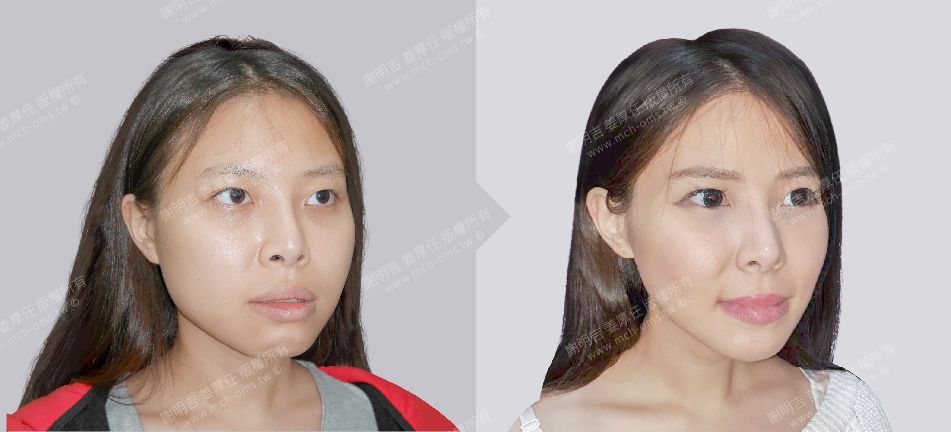
The effectiveness of surgery varies from person to person and needs to be evaluated by a professional physician
| Before | Aafter |
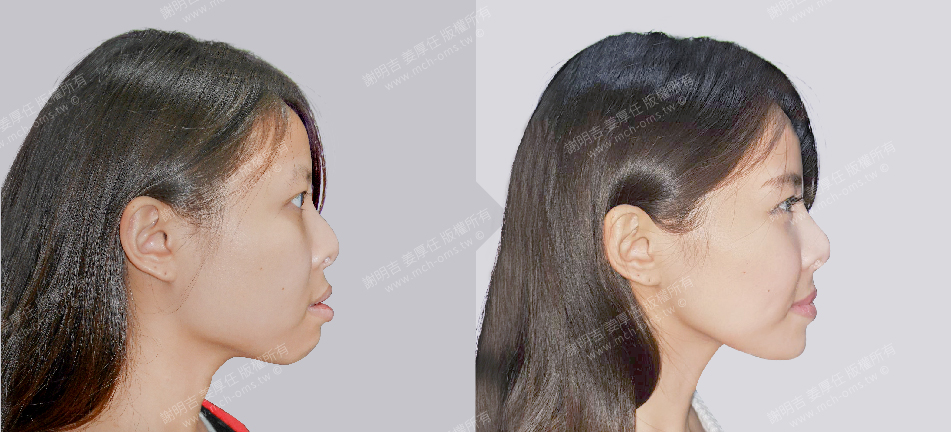
The effectiveness of surgery varies from person to person and needs to be evaluated by a professional physician The effectiveness of surgery varies from person to person and needs to be evaluated by a professional physician
Recovery process during the first week after surgery
I am a person who has high standards for myself. I always felt that no matter how much makeup I put on, I could not meet my standards for my appearance. When I wanted to have my teeth straightened, I came across orthognathic surgery by chance. I saw a lot of pre- and post-operative photos from our hospital. I knew this was what I wanted, so I decided to have the surgery. I would feel burning discomfort on my face within a week after the surgery, but it improved a lot after a week, and the facial shape gradually came out. I look forward to the complete reduction of swelling.
Recovery process in the second week after surgery
Although the swelling has not completely subsided since the surgery, the overall contour has emerged, and I am surprised and satisfied with the results. This week I also started eating normal rice and noodles, but since I still don’t have enough strength to bite, I mainly eat porridge or batter. Except for the recent part that has not fully recovered, other parts have returned to normal and will not affect my life. I hope that the bite part will heal soon and I want to eat a lot.
Recovery experience one month after surgery
It has been one month since the surgery. The outline of my face has been roughly finalized. My smile feels very beautiful. I have never been so satisfied with my smile. I can eat all kinds of food except hard food. My recovery is very fast and I am very satisfied with the effect. I feel that it is worth getting through this month.
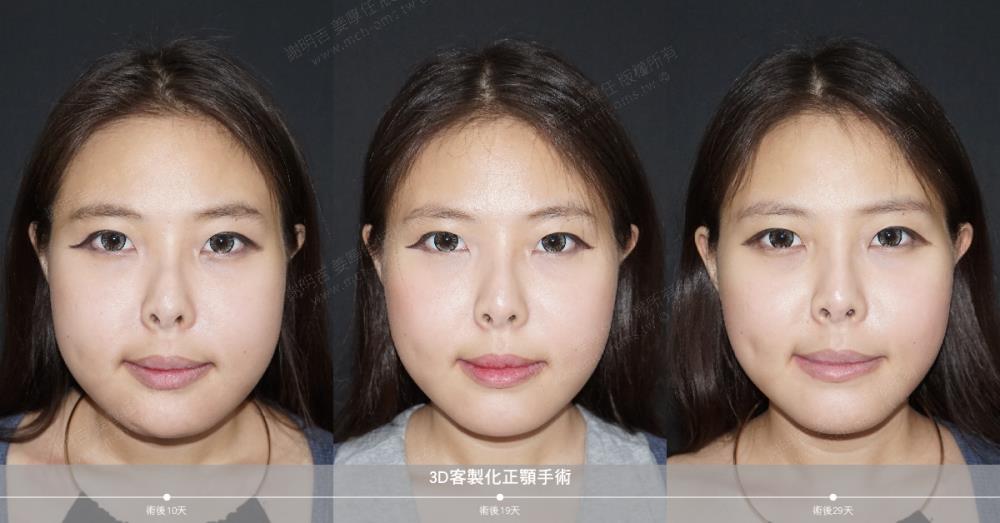
The effectiveness of surgery varies from person to person and needs to be evaluated by a professional physician