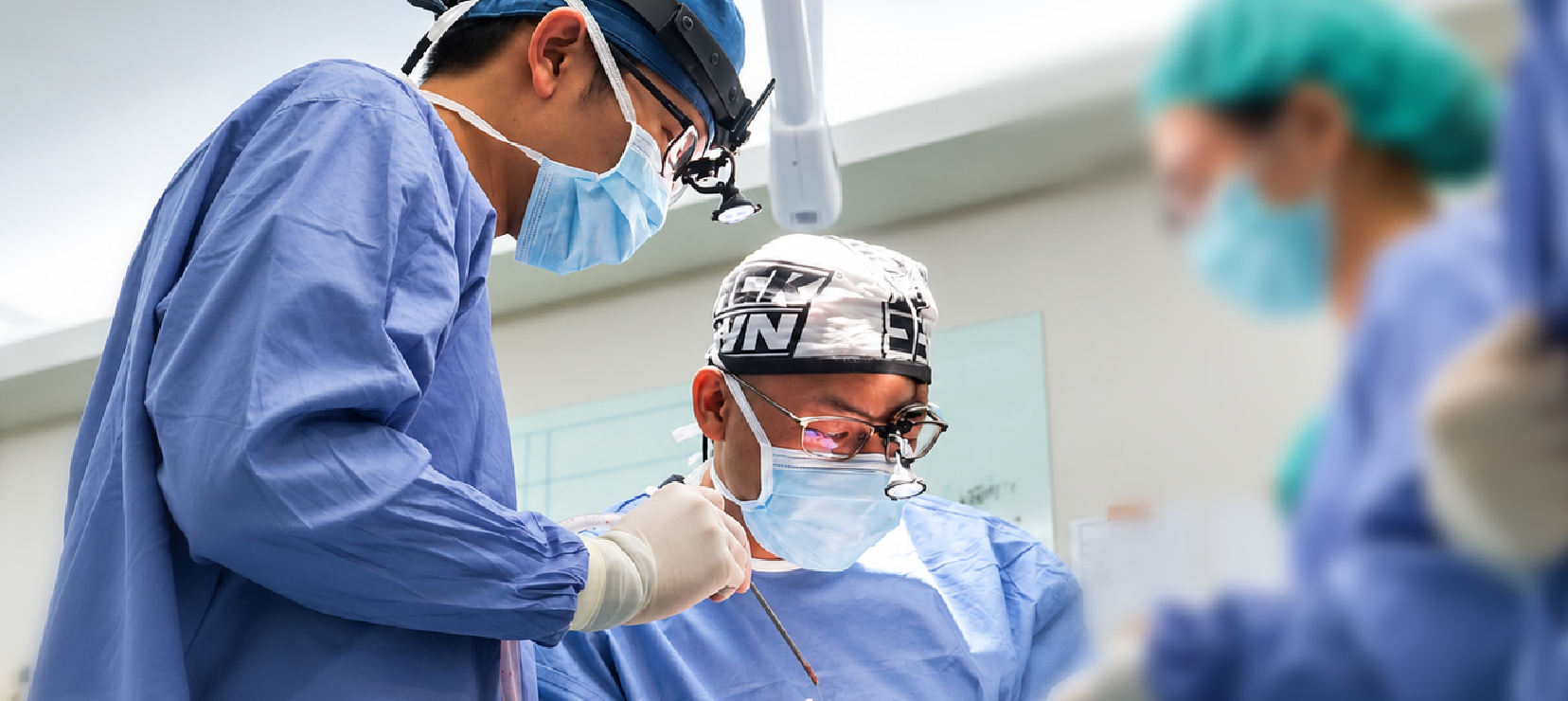
Expert Craniofacial Care Team: Personalized Treatment Balancing Function and Aesthetics

Expert Craniofacial Care Team: Personalized Treatment Balancing Function and Aesthetics
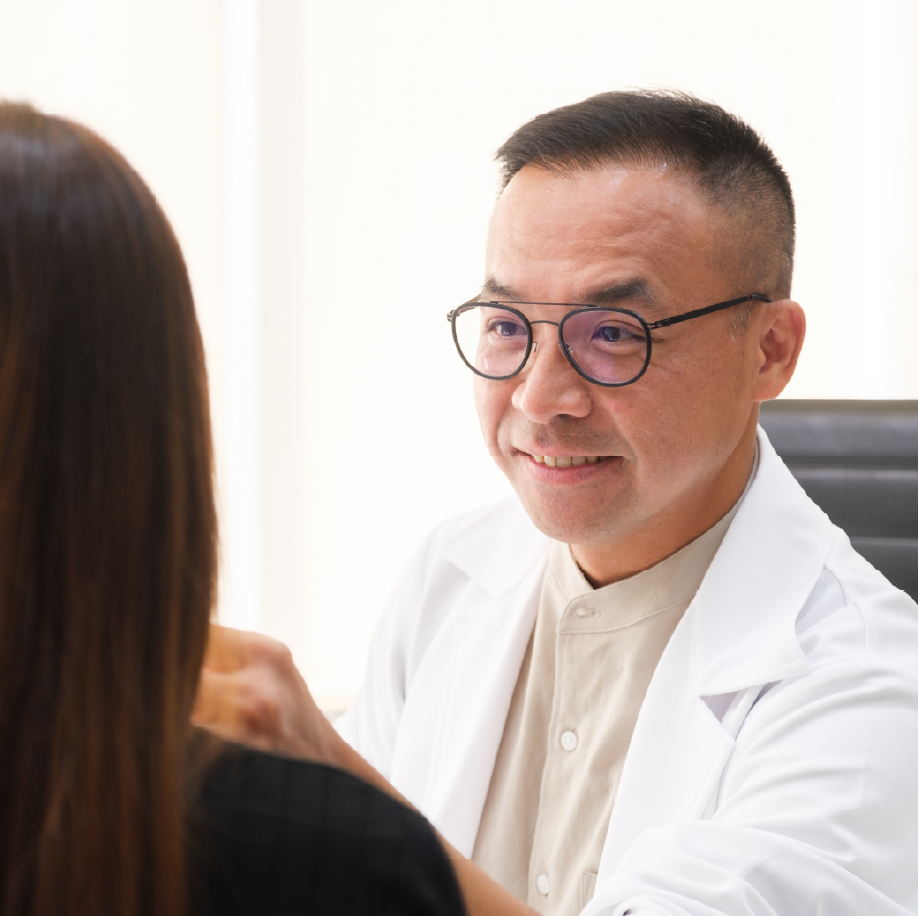
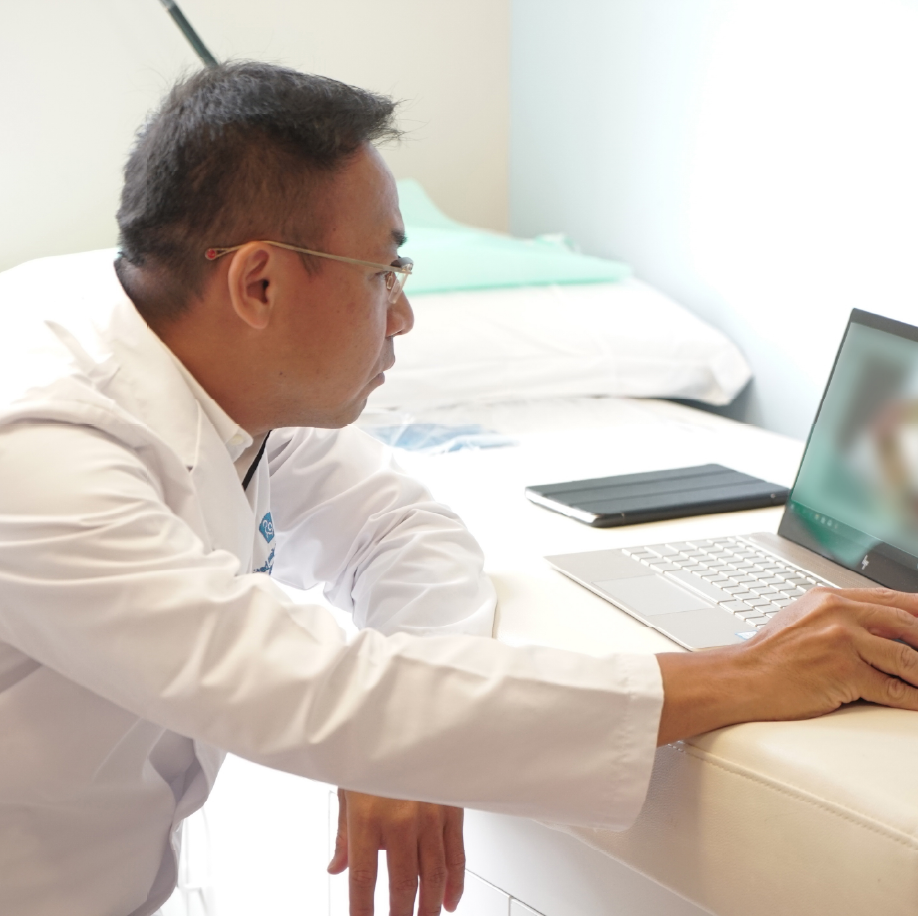
Expert Craniofacial Care Team: Personalized Treatment Balancing Function and Aesthetics photo 1
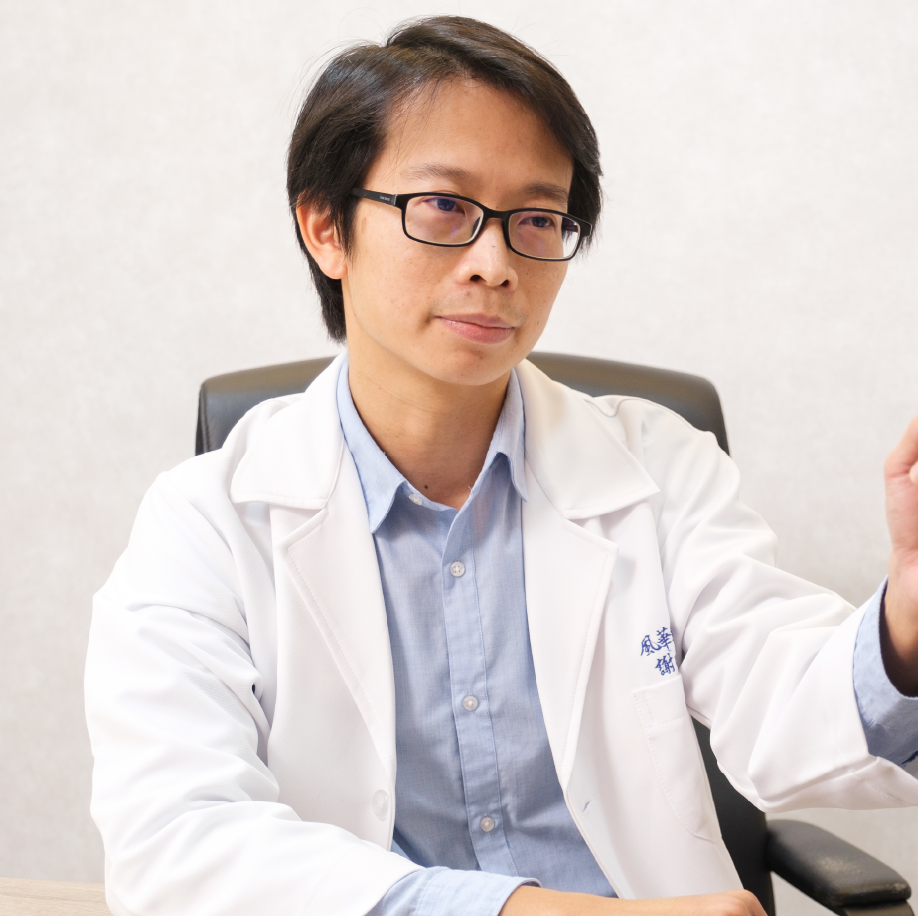
Expert Craniofacial Care Team: Personalized Treatment Balancing Function and Aesthetics photo 2
Expert Craniofacial Care Team: Personalized Treatment Balancing Function and Aesthetics photo 3

Dr.Adrian Hsieh, Craniofacial Surgery Specialist: Integrating Aesthetics and Function to Create Natural, Gender-Affirming Facial Contours

Since 2004, Dr. Ming-Chi Hsieh has dedicated more than 20 years to craniofacial surgery, focusing his clinical practice on orthognathic surgery, facial bone contouring, craniofacial skeletal reshaping and reconstruction, facial feminization surgery (FFS), and sleep surgery. Drawing on experience from thousands of successful cases, Dr. Hsieh upholds three core treatment principles to support his patients’ health and confidence.

1. Balancing Function and Aesthetics

We believe that proper occlusion, an unobstructed airway, and craniofacial aesthetics should not be treated as mutually exclusive goals. Healthy function provides the foundation for facial aesthetics, while aesthetic considerations can complement functional treatment. Through precise skeletal adjustments, Dr. Hsieh aims to address both occlusal concerns and facial proportions, achieving a balance between function and aesthetics.

2. Respecting Gender Identity and Embracing Natural Results

Naturalness lies at the heart of facial aesthetics. Dr. Hsieh places particular importance on ensuring that surgical outcomes align with each patient’s gender identity and gender expression. Whether creating more defined facial contours or softer facial curves, we strive to preserve each patient’s individuality while achieving natural-looking results without an artificial appearance.

3. Keeping Pace with Global Medical Innovation

As medical technology continues to advance, Dr. Hsieh remains committed to incorporating innovative techniques that reflect developments in the international medical community. From 3D simulation and precise digital preoperative assessment to minimally invasive surgical techniques, we strive to provide modern medical care with greater precision, improved safety, and shorter recovery periods.

Professional Experience: Expertise Built on Thousands of Cases

These treatment principles are supported by extensive clinical experience. Dr. Hsieh has performed thousands of craniofacial aesthetic procedures. Recognizing that every face is unique, we place particular emphasis on:

  • Precise Assessment: Combining an expert understanding of ideal facial proportions with digital imaging analysis.

  • Meticulous Surgical Execution: Pursuing the highest level of precision in every incision and every millimeter of adjustment.

  • Long-Term Follow-Up: Looking beyond the procedure itself to prioritize long-term stability and patient satisfaction.
Dr. Jiang, Craniofacial Surgery Specialist: Personalized Treatment Focusing on Overall Function, from the Temporomandibular Joint to Occlusion

1. The Multifactorial Causes of Temporomandibular Disorders

Temporomandibular disorders (TMD) are among the most common causes of pain in the head and neck region, second only to toothache. Symptoms may include muscle and joint pain, clicking or popping sounds when opening the mouth, and difficulty opening the mouth.

In the past, TMD was primarily attributed to structural factors, such as dental occlusion and the internal anatomy of the temporomandibular joint. Today, it is increasingly understood as a multifactorial condition involving a combination of factors, including psychosocial factors and parafunctional activities such as teeth grinding and clenching.

2. A Stepwise Approach to Treatment

In clinical practice, initial treatment for temporomandibular disorders (TMD) generally involves nonsurgical approaches, such as medication, physical therapy, and occlusal splints, to help relieve symptoms. Minimally invasive procedures, including intra-articular injections and TMJ arthroscopy, may also be considered.

3. Orthognathic Surgery and Improvement of TMJ Function

Research has shown that some patients with long-standing TMD also have significant dentofacial deformities. Patients with dentofacial deformities have also been found to have a higher prevalence of TMD than the general population.

In addition to improving occlusion and facial contours, orthognathic surgery (OGS) may also help alleviate chronic TMD symptoms associated with severe jaw and occlusal structural abnormalities, with a relatively high likelihood of improvement in appropriately selected patients.

4. Restoring Occlusion and Airway Function

In a small proportion of patients, severe temporomandibular joint disease may, over time, lead to TMJ bone resorption or degenerative joint disease. These changes can alter facial contours and occlusion and may even contribute to upper airway narrowing and obstructive sleep apnea.

Once the TMJ condition has stabilized, orthognathic surgery can also play a key role in restoring occlusal relationships, improving facial structure, and increasing upper airway space.


Book a consultation

After you submit, our staff will contact you to confirm the actual appointment time.

This site is protected by reCAPTCHA and the Google Privacy Policy and Terms of Service apply.

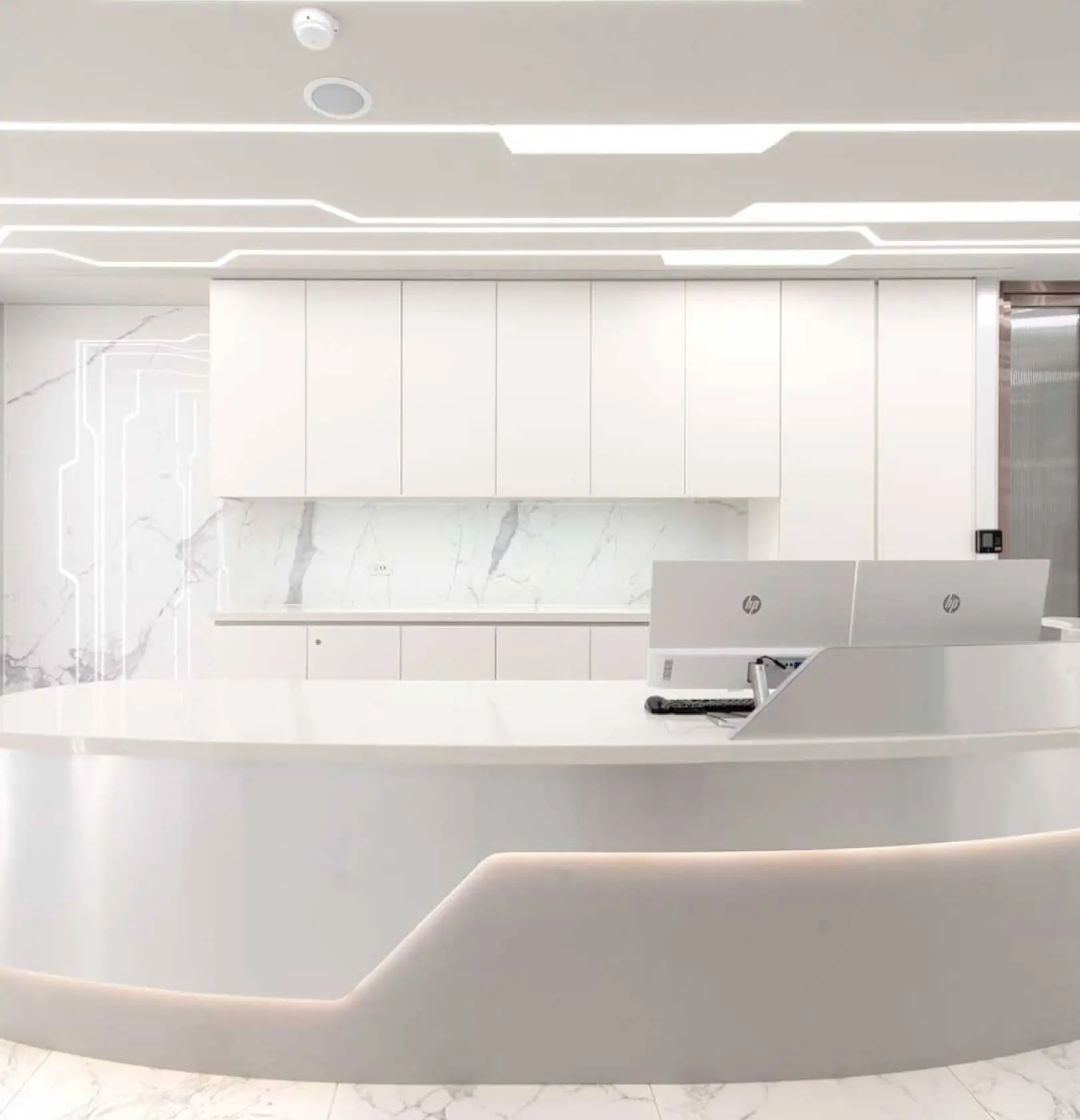
CHARM UNITED INSTITUTE interior